Chapter 4. One Hundred Perfect Bars
Delivering a Minimum Viable Product (When Everything Else Fails)
By June 1993, Beijing had swapped snow for steam.
Our chocolate factory was officially “nearly ready.”
The problem was that the air-conditioning system required to make chocolate was sitting in Beijing Customs.
Everyone knew why. An incentive was expected.
Mr Li offered to broker the deal. Quietly. Efficiently.
That was not an option for us. Our M-Corp regional counsel was unequivocal: any “facilitation payment” meant instant dismissal. Mike, our MD, tried escalation instead—calling the Beijing Mayor directly.
The customs officials received a reprimand.
The equipment stayed where it was. A quiet stand-off between local and federal authorities.
No incentive. No Guanxi. No release.
Without our air-conditioning, we had a fundamental problem. Chocolate requires a controlled environment from cooling tunnel to foil wrapper: 22°C, 50% humidity. Above this dew point range, condensation forms instantly. Condensation becomes mould. Mould becomes scrap.
We couldn’t produce a saleable product.
Add unstable power—outages, voltage drops—and production failed at the final hurdle. The process equipment worked perfectly. The packaging environment didn’t work at all. Not without the right environment.
Stalemate.
China was reminding us who really controlled the system.
The Only Deadline That Mattered
The project plan was irrelevant.
Forget eighty percent process capacity.
Forget commissioning.
Forget optimisation.
There was now one non-negotiable outcome:
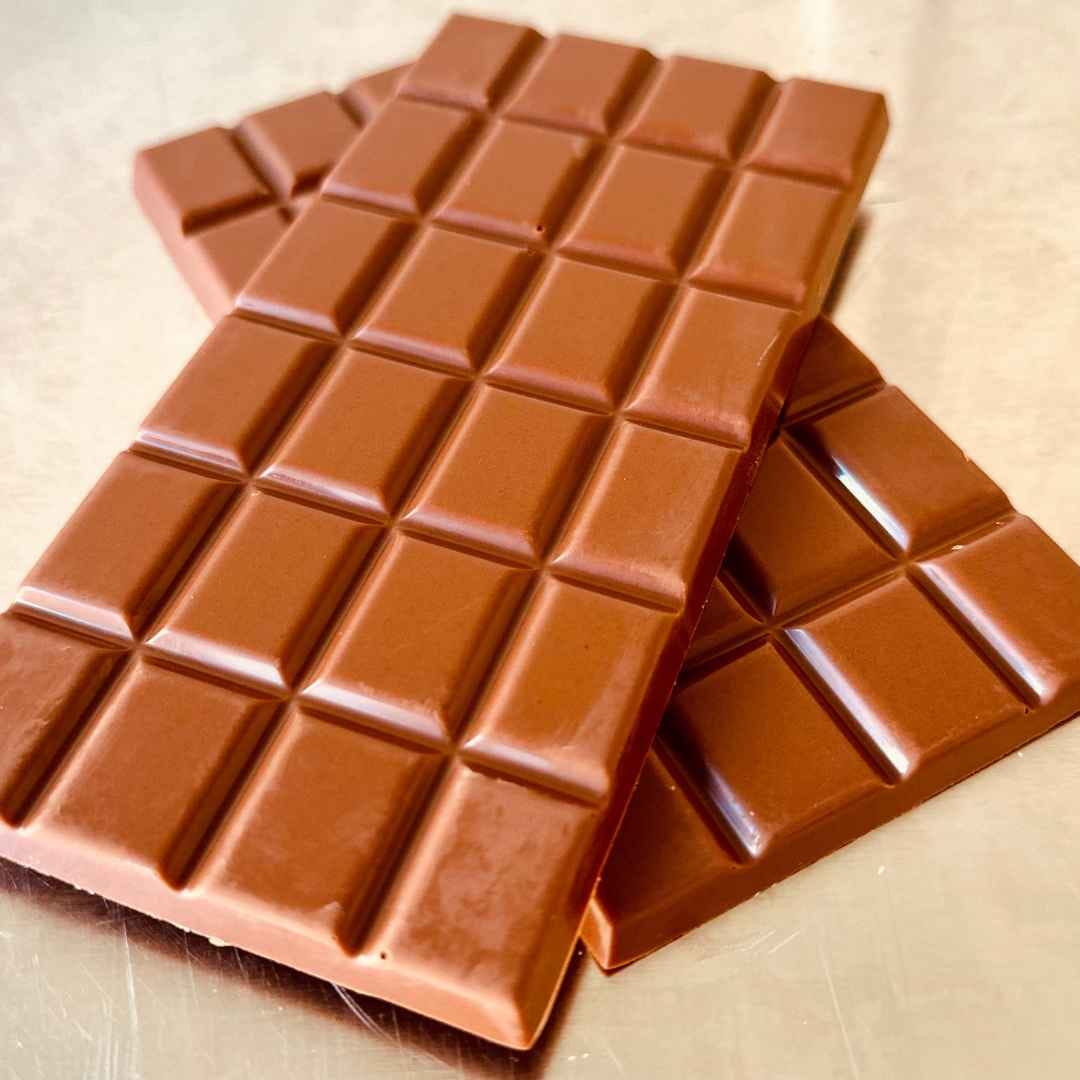
One hundred perfect, locally manufactured chocolate bars by the end of July.
Those bars were required for filming of commercials for our national launch. Miss the deadline and the entire launch would slip six months—straight through peak winter sales. Media slots were booked. Retailers were ready. Competitors were watching.
We didn’t need a factory.
We needed one hundred bars.
We had five weeks.
Redefining the Problem
Exhaustion has a way of stripping away complexity.
Mr Li had been out of town for the last status meeting—the one where he was meant to report progress on the grid connection. We ordered a diesel generator.
As I lay awake in the heat, I re-examined the constraints. We didn’t need to fix the building. We didn’t need stable power. We didn’t even need Customs to cooperate. Not right now.
We needed to control one small environment, for one short period, once.
That was the moment the project stopped being impossible.
A Bubble, Not a Factory
The next morning, I pulled in Geoffrey—my project assistant. This was before job titles became precious.
We spent the entire morning walking the Wangfujing streets, buying:
- Rolls of heavy plastic furniture covering and bubble wrap
- Five cheap, window-mounted room air-conditioners
- Sturdy chairs to mount the air conditioners.
Nothing elegant. Nothing permanent.
That afternoon, we wrapped the finishing line in plastic—from cooling tunnel to flow-wrapper—and rigged three air-conditioners to force cool, dry air into the enclosure. Two more stood by as backups.
It was crude. Temporary. Just enough.
We left them running overnight.
Executing Under Constraints
The power failed overnight.
In the morning, the enclosure was warm and wet. We opened up the packaging line, restarted the units and waited for the temperature to drop. The first runs failed. Condensation. Scrap.
We adjusted again.
Drying mode instead of cooling.
Faster line speed to reduce exposure time.
Tighter manual control.
Unwrapping and sampling every bar.
Slowly, painfully, it worked.
For five minutes every bar we unwrapped was perfect. We reduced sampling to every second bar and declared the rest as product.
We counted them out.
One hundred and three bars.
Perfect.
The Minimum Viable Product (MVP)
We did not deliver:
- A fully operational factory
- Stable power infrastructure
- Scaled up capacity
We delivered exactly what the launch required—and nothing more.
The commercials were filmed.
The launch proceeded.
M-Corp entered Beijing, Shanghai, and Guangzhou on schedule.
First-mover advantage held. Our competitors had also put plans above relationships.
Everything else followed later. Self-generated power, the Customs release, the final commissioning and the factory opening by the Mayor. Mr Li stayed in Beijing on that day.
Lesson Number 3
At the time, it felt ad hoc, like improvisation, like luck.
In hindsight, it was unrelenting execution.
We stopped confusing scope with success. We had understood the MVP.
We thought we were building a factory.
What we were learned to build was judgement under pressure.