2. The Door That Wouldn’t Open
I did not understand this at the time, but the Korea market entry was never a delivery challenge.
It was a political process disguised as a project plan.
We only discovered that when we reached the door no amount of execution could open.
Demilitarised Zone (DMZ), Korea 2013
“Why are the cave walls black?”
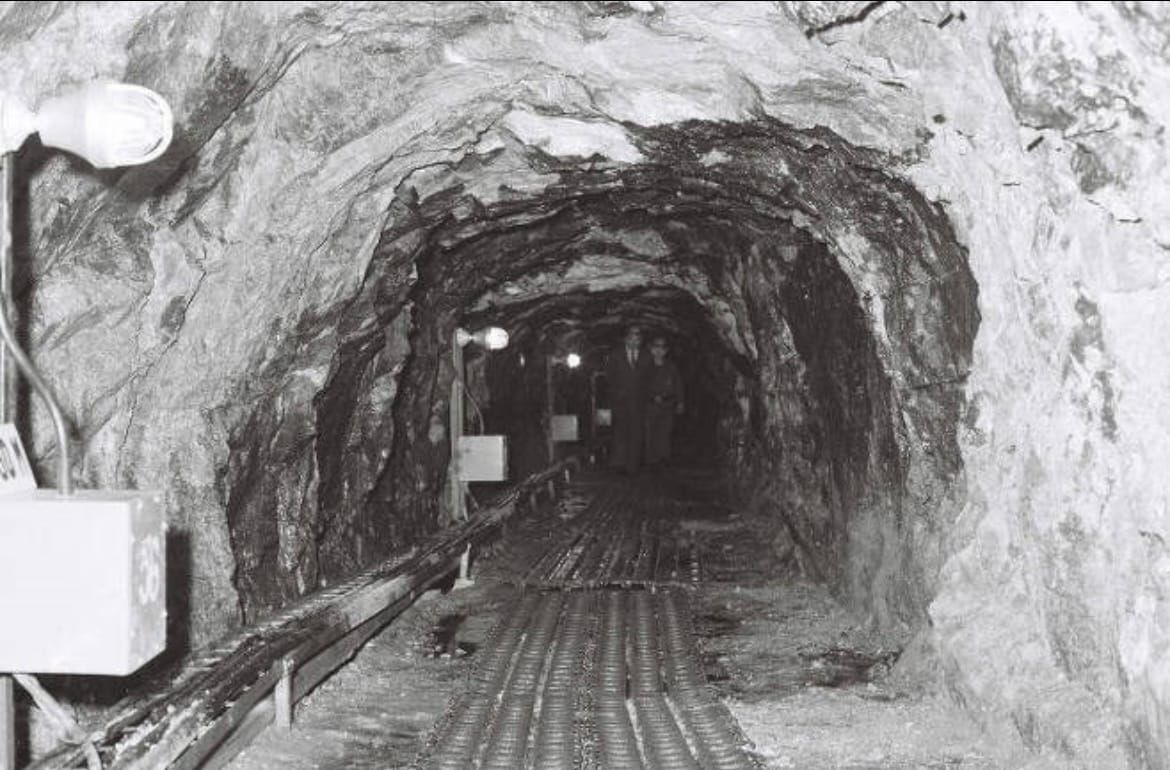
The question came from a large American in a red-and-white Hawaiian shirt, his voice echoing as we stood deep underground. We were inside Tunnel No. 3, one of four infiltration tunnels discovered beneath the Korean Demilitarised Zone — engineered to allow North Korean troops to move unseen toward Seoul.
Our guide answered without hesitation. The walls, he explained, had been painted black so the North Koreans could claim they were mining for coal if the tunnel was discovered. There were no coal seams anywhere near the site. The explanation was implausible, but it only needed to work once.
As we moved deeper toward the border, the tunnel narrowed until we were walking single file. The passage ended at a locked steel door fitted with a narrow grate through which I could see another dimly lit door about twenty metres away, guarded by a young cadet. I imagined a mirror image of us on the other side.
Hawaiian shirt muttered “so this is as close as I get to North Korea…”
At the time, it felt like an interesting historical diversion.
Later I realised we had been standing inside the exact structure we were about to build: carefully engineered, technically impressive, and designed to stop just short of a decision no one wanted to own.
Power Concentration-the Chaebols
In Korea, corporate power, political influence, and family control were inseparable.
Decision-making concentrated accordingly.
This mattered far more to our project than any market analysis.
A-Corp in Korea, 2013
A-Corp (name changed) was a global provider of mobile aftermarket services — repair, replacement, data protection, and other services sold through carriers.
The preferred market-entry strategy was to partner with the leading carrier, offering a white-label insurance product exclusive to its customers.
In Korea, every major carrier was owned by a chaebol.
Key Challenges
Four things stopped the project.
None of them were delivery problems.
- Low Priority with the client. The target carrier, S-Corp (name changed), had many competing initiatives with higher short-term returns and lower adoption friction.
- Data Sovereignty. South Korean regulation at the time required personal data to remain in-country.
- Global Resource Competition. A-Corp had launches planned across new market. Korea competed for limited specialist support.
- The Memorandum of Agreement (MOU). Without a signed MOU from S-Corp, the project could not proceed.
How We Responded
We did what delivery teams are trained to do.
We made it strategic.
We spent money to remove constraints.
We reduced friction.
Senior executives flew in. The pitch shifted from revenue to strategic customer retention. Resources began to appear.
A-Corp committed millions to build a Seoul-based data centre. Regulatory approval was secured. Costs escalated.
To win internally we made Korea easy to work with. I recruited five graduates with strong English, forming a local PMO. They translated meetings, produced artefacts, coordinated suppliers, hosted visiting teams, and absorbed friction.
Korea quickly became the most organise, well-run launch in A-Corp’s global portfolio.
Momentum built.
Confidence followed.
The Door that wouldn’t open
The MOU never came.
One afternoon in our Gangnam office, SB, our General Manager explained this to me.
The client’s executive team was paralysed by impending legal action against the two joint chairmen. Allegations of misappropriation — and possible jail time — had frozen all major decisions. No MOU would be signed for six months. Maybe a year. No one knew.
At that moment, the project ended — whether anyone was ready to admit it or not.
SB had been under mounting pressure from US executives demanding firm timelines. As investment grew, so did his reluctance to derail momentum. The project had created its own reality.
SB knew something the dashboards did not. There was zero certainty around this timeline. And my monthly burn rate was edging towards seven figures.
When our American MD heard the full story, he halted further commitments immediately. He also refused SB’s offer of resignation.
This was not leadership theatre.
It was judgment — exercised before sunk cost made denial irresistible.
Two weeks later, the elder chairman of S-Corp was convicted of embezzlement, having diverted millions into a personal venture. He would serve time in jail. All new projects were frozen.
The project had ended months earlier. We just hadn’t admitted it.
No amount of execution was going to open that door.