Chapter 4. Brazil - Contracts v Judgement
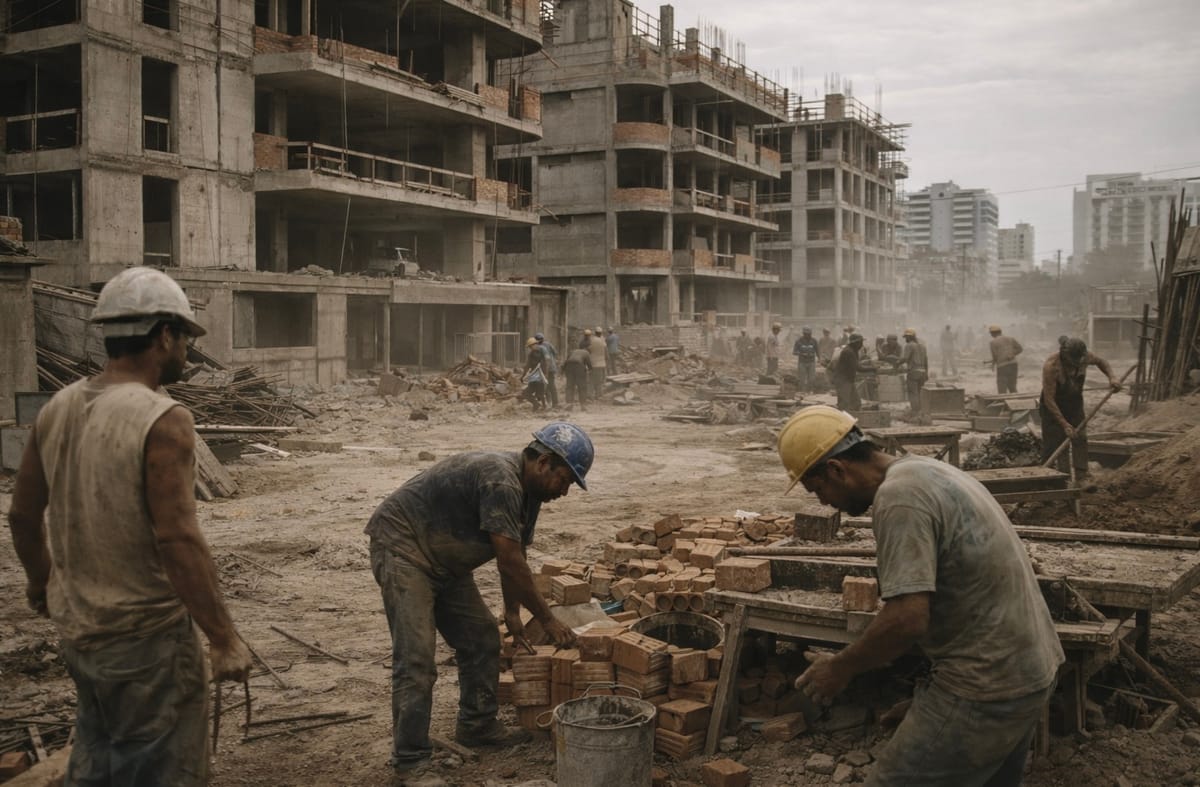
The factory cafeteria was fragrant with feijoada—black beans, pork, and rice. This was where many decisions got made.
Eduardo ran Operations. Bernardo ran Maintenance.
Both were engineers. Both were local. Both knew how things actually worked.
My Beijing startup role had calcified into routine. Six days a week. Nothing but people problems. No edge. No technical stretch. No major deadlines to hit. Routine. I wanted complexity again—real project complexity—so I went looking for it.
I messaged Fred, a very senior M-Corp executive whose Beijing trips were never ornamental. He walked the site, talked to the people, clarified the constraints. He visited the stores and the distributors, not the Wall.
Within weeks, I had a new project, a new country, a new set of challenges.
Brazil Was Not the Background. It Was the Constraint.
Late 1993, Brazil was exiting hyperinflation.
The old currency, the Cruzeiro, lost up to 60% of its value per month.
Payday meant families sprinting to supermarkets, chaining multiple trolleys together, securing staples before prices rose again. Cheques were post-dated as a survival tactic.
For M-Corp, the introduction of the Real, pegged to the US dollar, made Brazil an investable market. For operators on the ground, the damage was already done. Some would survive. Many wouldn’t.
Cash today mattered. A promise tomorrow not so much.
That assumption would come back to haunt us.
The Project Scope Looked Straightforward
The product was simple in theory: a vitamin-fortified candy for children, priced at one Real.
A pilot plant already in operation in Recife to support market trials to prove the concept at 1,000 tonnes per annum.
Profitability required scale: 5,000 tonnes p.a.
My remit was clear:
- Build a new manufacturing facility next door to the pilot factory
- Keep the pilot line running
- Support the US team design and commission the new process lines
On paper, this was orthodox expansion.
In reality, it was a liquidity race.
The small Brazilian business unit was led by an American general manager I will call Mrs T.
She had come up through Finance and had caught the attention of one of M-Corp’s owners, who gave her the chance to run her own country business.
Recife was her proving ground.
This project would make—or break—her career.
Contractor Selection: The First Quiet Signal
Our preferred constructor didn’t turn up for contract negotiations.
That was the warning.
The newspaper confirmed it the next morning: they had collapsed.
We selected Company No. 2 for “technical competence and price”. Unofficially, we chose them because they had been around the longest.
I proposed milestone rewards, not penalties—cash for progress, not punishment for delay. From China, I firmly believed keeping contractors cash-positive was the only real control lever.
Our head office legal folks insisted on a bank guarantee. An expensive set of handcuffs. Mrs T insisted the vendor absorb this within their budge. As country head she also became the project sponsor.
The bank guarantee was necessary.
It wasn’t sufficient.
When Governance Became a Farce
By June 1995, we had missed three key milestones and productivity had slipped. Carnivale is a week on paper, a month in practice. Monsoon rains cut off roads and stopped the buses. Another month.
Delays were expected.
What wasn’t expected was the silence.
Workers stopped showing up.
Rumours spread: wages unpaid.
The company was overcommitted.
Our contract required:
- A bank guarantee maintained till completion
- A monthly certidão dos pagamentos certifying workers had been paid
- Weekly productivity reports including site numbers
On paper, governance looked robust.
Reginaldo ran the construction crews.
He was short, broad-shouldered, and spoke quietly. When he gave an instruction, people moved.
Bernardo and I started walking the site with him at 7 a.m. most mornings.
After several weeks he began telling us what wasn’t appearing in the weekly reports.
- The workers hadn’t been paid. They had families to feed
- The site numbers were down
- Rumours were going around that the company was going broke
We confronted Roberto, the Project Manager. It was all true.
He hadn’t been paid either. He didn’t know where the money went after he deposited it in the local bank.
There were many ways around the bank guarantee and the monthly worker payment certification.
His director had not answered his calls in the past two weeks.
In most troubled projects someone eventually becomes the messenger—the person who quietly reveals what the reports do not show.
In Recife that person was Reginaldo.
The Pivot: Feeding the People, Not the Schedule
At that point, the schedule no longer mattered.
Only labour retention did. Keeping things moving.
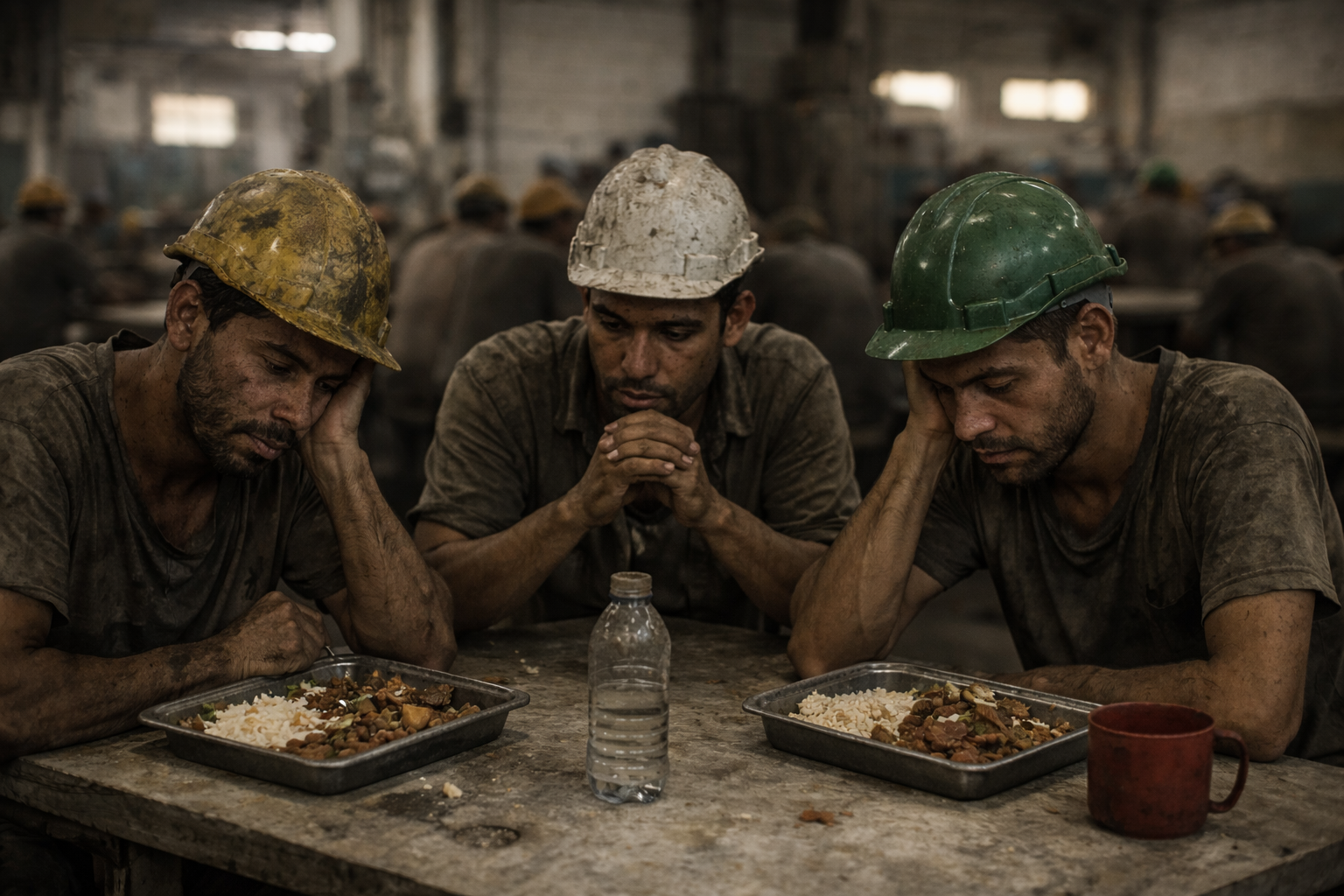
Our factory ran 24/7 and had a fully-staffed cafeteria. We sat and discussed Eduardo‘s proposal of feeding the construction workers.
Not as charity. As a control.
While Mrs T was on her Christmas break, we doubled meal output. One hundred extra meals per day.
No contract variation. No executive approval. Just judgement.
Workers could eat.
They asked if they could take leftover food home.
Yes.
Attendance stabilised.
The site numbers stayed above 100.
Roberto regained credibility—not because he paid wages, but because the men could eat.
This was where authority really sat:
- Not with the contract
- Not with head office
- But with whoever controlled the calories
Executive Oversight Arrives
Two weeks later, the contractor’s CEO resurfaced, accepting our “liquidity package”. Legal thought it was brilliant.
The problem wasn’t solved. It was deferred.
Eduardo and I were summoned by Mrs T to explain the canteen cost blow-out. We listened carefully but stayed silent.
Expenses were well over budget. She was furious.
Then she stopped.
She looked at the numbers again.
She shrugged and approved the additional spend.
That moment mattered more than any steering committee.
How the Project Actually Finished
Four months later, Company No. 2 collapsed. The CEO was never heard of again.
By then, 90% of the work was done.
Bernardo quietly engaged a third contractor to finish the fit-out— daily rates, no written contract. Lunches provided.
During that first uncertain week, Roberto and Reginaldo returned unannounced.
Both had new jobs elsewhere. They spent a full day briefing No. 3.
That single day saved weeks.
No clause could have enforced it.
They would accept no payment.
We ate beans and rice in the cafeteria.
Why This Was Hard
Traditional governance assumes:
- Solvent contractors
- Enforceable guarantees
- Stable incentives
Those conditions may have existed at the start of the contract.
The real system was informal, cash-driven, human.
Contracts didn’t finish this project.
Judgement did.
I had learned a similar lesson in Beijing a few years earlier.
When the system stops working, the only question that matters is: what actually controls the outcome?