Cold Christmas in Beijing
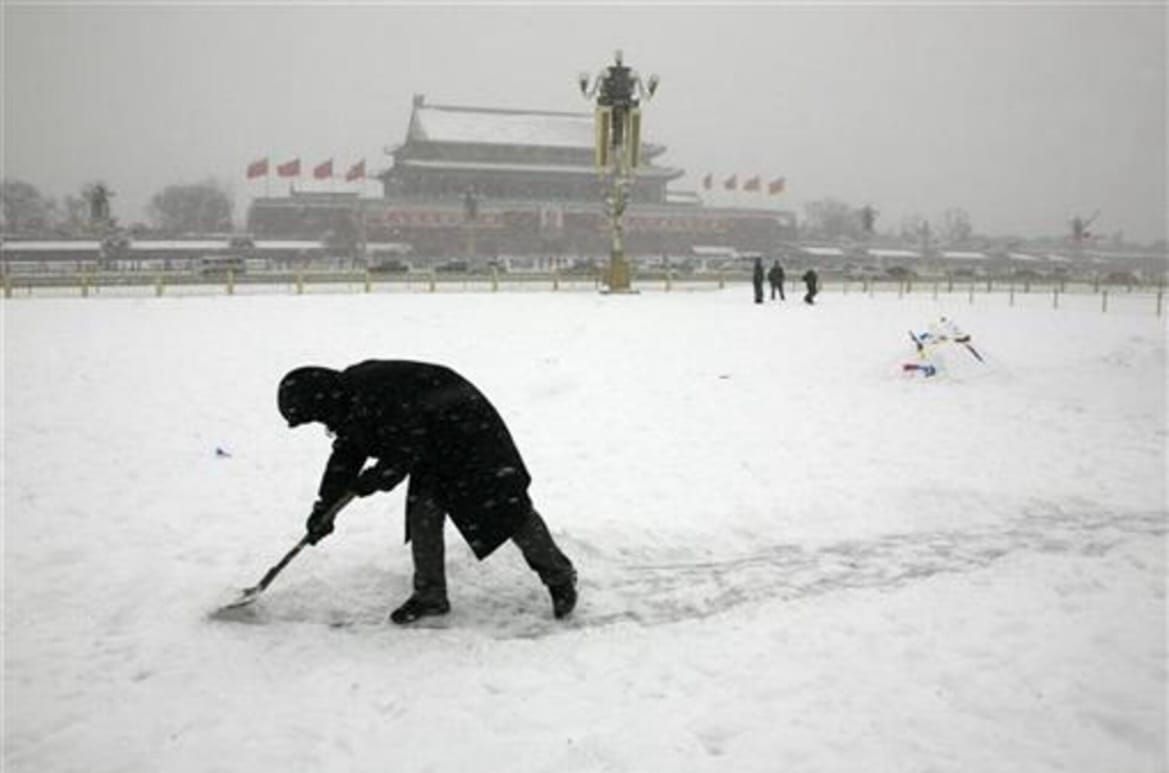
Christmas morning, 1992. Shibalidian, south-west Beijing.
The factory should have been finished months earlier. Instead, half-built walls stood in the snow, surrounded by unused materials.
Mr Li assured us everything was progressing according to plan.
That was the moment I realised we were not managing the same project.
Another milestone missed.
Nothing suggested urgency.
Nothing suggested accountability.
Li bellowed at the labourers, gestured expansively, and smoked unfiltered Camels as if noise might substitute for progress.
From my perspective, we had a defined scope, agreed timeline, and a contract already breached.
From his, the project was still unfolding. Delays were leverage. Progress would come when conditions—political, relational, financial—were right.
Li had what mattered.
Power supply. Customs clearance. Labour access.
Guanxi.
Not a cultural nuance, but the system that determined what moved—and what didn’t.
The plan we were tracking wasn’t driving delivery. Guanxi was.
We thought the deal had closed the project.
It hadn’t.
The contract didn’t trigger delivery. It gave us access—to a system we didn’t control.
Li’s confidence came from his network—officials, suppliers, inspectors—each with influence and a stake. Progress depended on maintaining balance across that network, not on meeting milestones.
Beijing wasn’t hard because of the cold, the language, or the bureaucracy.
It was hard because we misunderstood where control actually sat.
Silence does not equal alignment.
We were applying a delivery model to a political system.
Standing in the snow that morning, I still believed the plan would reassert itself.
Finish the building. Install the equipment. Start up. Launch.
What I hadn’t yet understood was that the plan was never in control.
We believed we had secured control because we had secured agreement.
We hadn’t.
The plan we were tracking wasn’t in control.
And until we learned what was, nothing was going to move.