Chapter 7. Korea - Project Delivery or Political Process?
South Korea launch, US global company
I did not understand this at the time, but the Korea market entry was never a delivery challenge.
It was a political process disguised as a project plan.
We only discovered that when we reached the door no amount of execution could open.
Demilitarised Zone (DMZ), Korea 2013
“Why are the cave walls black?”
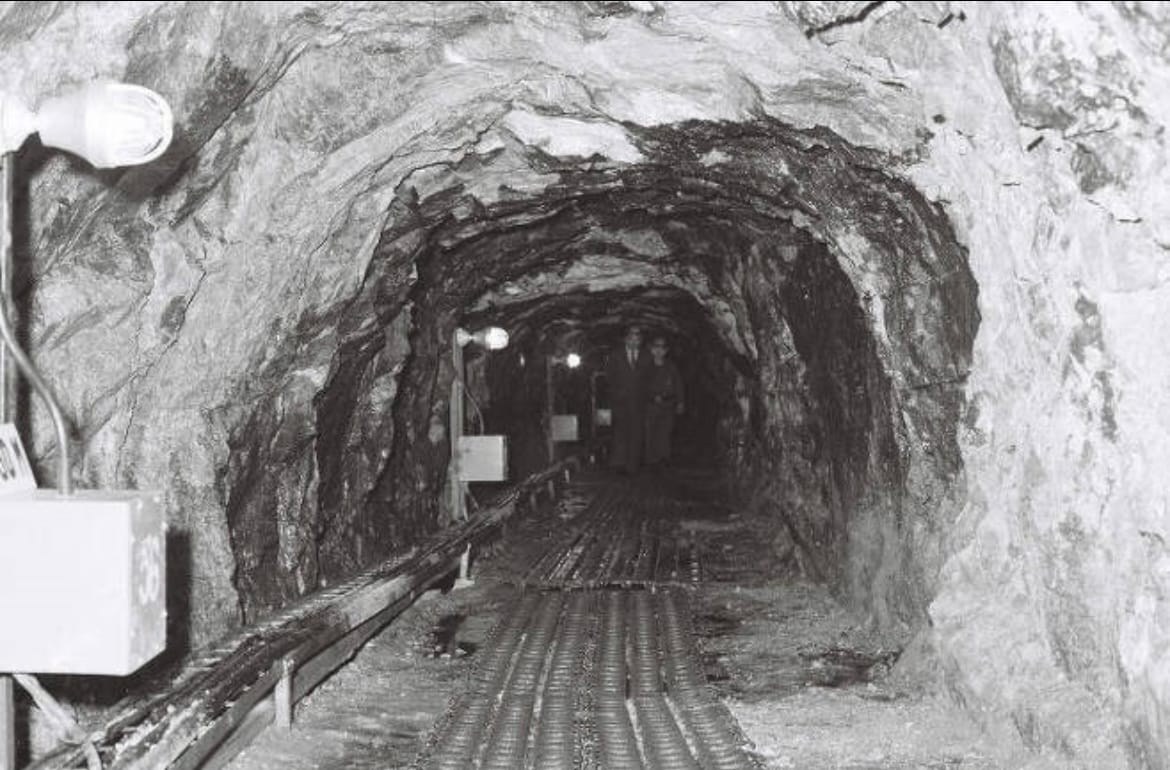
The question came from a large American in a red-and-white Hawaiian shirt, his voice echoing as we stood deep underground. We were inside Tunnel No. 3, one of four infiltration tunnels discovered beneath the Korean Demilitarised Zone — engineered to allow North Korean troops to move unseen toward Seoul.
Our guide answered without hesitation. The walls, he explained, had been painted black so the North Koreans could claim they were mining for coal if the tunnel was discovered. There were no coal seams anywhere near the site. The explanation was implausible, but it only needed to work once.
As we moved deeper toward the border, the tunnel narrowed until we were walking single file. The air grew heavier. Eventually, the passage ended at a locked steel door fitted with a narrow grate. When it was my turn to peer through, I could see another dimly lit door about twenty metres away, guarded by a young cadet. I imagined a mirror image of us on the other side, watching just as carefully.
The man in the Hawaiian shirt stepped back and shrugged.
“So this is as close as I get to North Korea…”
Tunnel No. 3 was the largest discovered — wide enough to move an estimated 30,000 troops per hour beneath the city. It was a reminder that for all of Seoul’s glass towers and global brands, Pyongyang and its permanent military theatre sat just forty-two kilometres away.
At the time, it felt like an interesting historical diversion.
Later I realised we had been standing inside the exact structure we were about to build: carefully engineered, technically impressive, and designed to stop just short of a decision no one wanted to own.
Why the DMZ Exists (and Why It Matters)
The Korean Demilitarised Zone exists not because compromise failed, but because decisions were made quickly, remotely, and without local understanding — and then became permanent.
At the end of World War II, the division of Korea was never intended to last. Two US officers, tasked with proposing an administrative boundary for accepting the Japanese surrender, selected the 38th parallel under severe time pressure, using limited maps, and without Korean consultation. The line was chosen largely because it placed Seoul in the American zone while allowing rapid Soviet agreement over Pyongyang in the North. What was meant to be temporary hardened into political reality. As Cold War tensions escalated, the boundary became fixed. When the Korean War ended in 1953, the armistice formalised a buffer zone roughly along that arbitrary line.
The lesson is not historical. It is structural.
Early decisions made by people distant from consequences tend to persist long after their context expires. Once embedded, they are defended not because they are optimal, but because revisiting them would force accountability.
That pattern shaped everything about our project.
Power Concentration and the Chaebol Reality
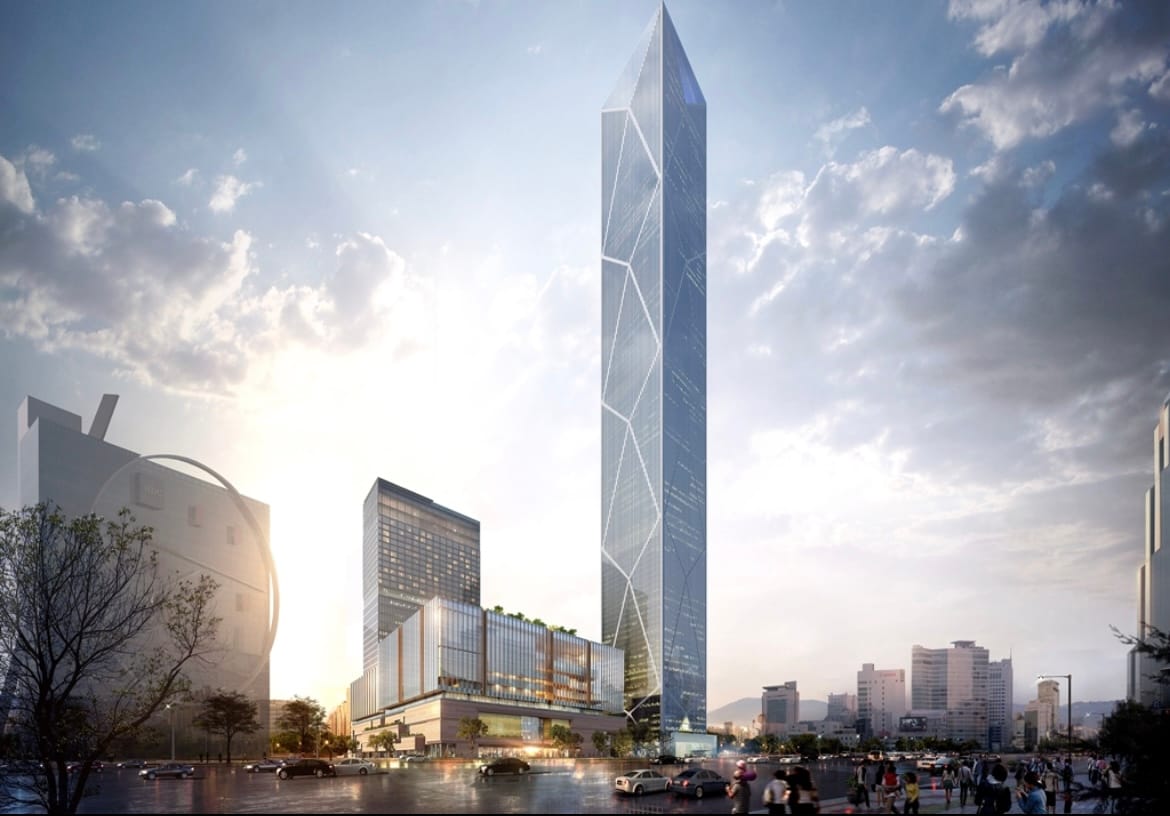
South Korea rebuilt rapidly by concentrating capital, assets, and political support through family-controlled conglomerates — the chaebols.
In exchange for preferential loans, tax concessions, and access to former Japanese industrial assets, these groups delivered infrastructure, manufacturing capacity, and export growth at extraordinary speed. Their success became inseparable from national success. They were rock star.
In Corporate power, political influence, and family control fused.
Decision-making concentrated accordingly.
This mattered far more to our project than any market analysis.
A-Corp in Korea, 2013
A-Corp (name changed) was a global provider of mobile aftermarket services — repair, replacement, data protection, and other services sold through carriers. The business model was proven. The market entry challenge was always the same: getting that first big client.
Insurance is a difficult upsell. It follows an expensive upfront purchase, carries lower margins than accessories and requires access to personal customer data. It is also critically dependent on frontline staff convincingly explaining an intangible product. Even in receptive markets, sales cycles can take years.
The preferred market-entry strategy was to partner with the leading carrier, offering a white-label insurance product exclusive to its customers.
In Korea, every major carrier was owned by a chaebol.
Key Challenges
From the outset, the initiative faced four material obstacles.
Each looked like a delivery issue.
None of them were.
- Low Priority with the client. The target carrier, S-Corp (name changed), had many competing initiatives with higher short-term returns and lower adoption friction. The insurance project lingered, under-resourced and under-sponsored.
- Data Sovereignty. South Korean regulation at the time required personal data to remain in-country. A-Corp relied on AWS globally, but no Korean data centre existed at the time. Any proposed deviation required endorsement from the conglomerate’s joint chairmen.
- Global Resource Competition. The company was had launches planned across Asia, Australia, and South America. Korea competed internally for limited specialist support.
- The Memorandum of Agreement (MOU). Without a signed MOU from S-Corp, the project could not proceed.
How We Responded
We did what delivery teams are trained to do.
We made it strategic.
We spent money to remove constraints.
We reduced friction.
Senior executives flew in. The pitch shifted from revenue to strategic customer retention. Resources began to appear.
A-Corp committed millions to build a Seoul-based data centre. Regulatory approval was secured. Costs escalated.
To win the internal resource war, we made Korea easy. We recruited five recent graduates with strong English skills to form a local PMO. They translated meetings, produced disciplined artefacts, coordinated suppliers, hosted visiting teams, and absorbed friction.
Korea quickly became known internally as the most organised, welcoming, and well-run launch in A-Corp’s global portfolio.
Momentum built.
Confidence followed.
The Door That Wouldn’t Open
The MOU never came.
One afternoon in our Gangnam office, SB, our General Manager explained this to me.
The S-Corp executive team was paralysed by impending legal action against the two joint chairmen. Allegations of misappropriation — and possible jail time — had frozen all major decisions. In this environment, MOU would be signed for at least six months. Or a year. No one knew.
At that moment, the project ended — whether anyone was ready to admit it or not.
SB had been under mounting pressure from US executives demanding firm timelines. As investment grew, so did his reluctance to derail momentum. The project had created its own reality.
But SB knew something the dashboards did not. There was zero certainty around this timeline. As my monthly burn rate edged towards 7 figures.
When our American MD heard the full story, he halted further commitments immediately. He also refused SB’s offer of resignation.
This was not leadership theatre.
It was judgment — exercised before sunk cost made denial irresistible.
Two weeks later, the elder chairman of S-Corp was convicted of embezzlement, having diverted millions into a personal venture. He would serve time in jail. All non-critical projects were frozen.
The worst week of my career was spent unwinding the work — terminating contractors, dismantling the PMO, telling people it was all over. When my turn finally came, I was offered relocation to China.
Two Years Later
A-Corp eventually re-entered Korea with a smaller, customer-centric pilot aligned to S-Corp’s specific constraints. SB never gave up. He did it his way.
The MOU was finally signed.
Lessons for Executive Sponsors
- Early Decisions Become Permanent Constraints. If an assumption cannot be revisited, it is not operational — it is strategic.
- Formal Approval Is Not Authority. If the people who can stop your project are not identified, you are not governing risk.
- Momentum Is a Poor Risk Signal. Spend acceleration often precedes cancellation.
- “Strategic” Labels Reallocate Risk. Reframing changes who feels personally exposed.
- Governance Risk Is Personal Before It Is Institutional. Dashboards rarely track personal risks such as jail time.
- Protecting Messengers Preserves Options. Punishing truth destroys information flow.
- Cancellation Is an Executive Act. Ending work creates clarity. Refusing to end it compounds damage.
Final Reflection
Executive sponsorship is not about sustaining momentum.
It is about recognising where real power sits, which assumptions are irreversible, and when progress is merely movement within someone else’s constraints.
Everything else is administration.